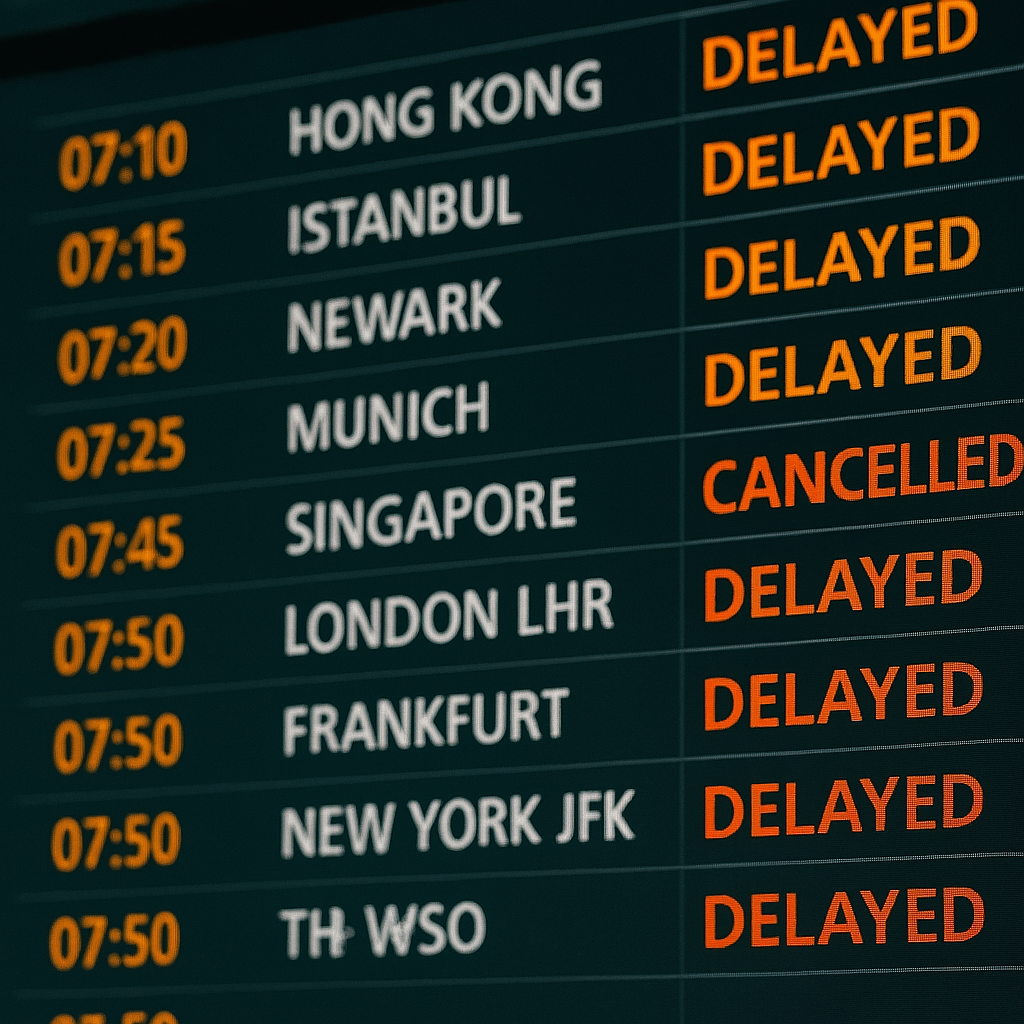

The recent conflict in the Gulf region and the resulting suspension and rerouting of major airline services have created uncertainty for travellers across Africa, including Zambia. With carriers such as Emirates temporarily adjusting operations, many travellers who rely on Middle Eastern hubs for international connections are experiencing delays, cancellations, and extended travel routes. While the global situation remains fluid, the impact on immigration timelines and travel planning is already being felt.
For Zambia‑linked travellers—expatriates entering the country, Zambians travelling abroad for work, and employers coordinating mobilisation—the disruptions can affect visa appointments, biometrics scheduling, entry deadlines, and project start dates. A missed flight or rerouted journey can easily cascade into compliance risks, overstays, or delayed onboarding. In moments like these, clarity and preparation become essential.
At Chaman Consultants, we view immigration not only as a process but as a stewardship responsibility. As we often say;
“Excellence is not what we do when conditions are perfect; it is how we guide our clients when conditions change.” — Chaman Consultants,2026
In this season, excellence means anticipating delays, documenting disruptions, and adjusting plans early to avoid unnecessary complications. Travellers should monitor airline advisories closely, keep records of cancelled flights, and communicate changes promptly so that immigration timelines can be reviewed and adjusted where necessary. Employers may also need to consider alternative travel routes through East Africa, Europe, or Southern Africa to maintain project continuity.
Chaman Consultants continues to monitor travel advisories and airline updates that affect Zambia’s immigration landscape. We are supporting clients with revised mobilisation plans, permit timing guidance, and case‑specific advice where travel disruptions may affect legal status. Our commitment remains to provide calm, informed, and proactive support so that our clients remain compliant and well‑prepared, even in uncertain global conditions.


In addition to travel disruptions, it is important to consider the evolving regulatory environment in Zambia. Immigration policies may be subject to change as authorities respond to global and regional developments. Staying informed about updates from the Zambian Department of Immigration and related agencies is crucial for travellers and employers alike. Proactive engagement with immigration consultants can help navigate these changes smoothly and ensure compliance with all legal requirements.
Furthermore, the role of technology in immigration processes continues to grow. Digital platforms for visa applications, biometric data collection, and permit renewals are becoming more prevalent, offering both opportunities and challenges. Embracing these technological advancements while maintaining vigilance against potential system delays or technical issues will be key to effective immigration planning in this dynamic context.