

In 2025, the world witnessed an unprecedented humanitarian challenge. According to the United Nations High Commissioner for Refugees (UNHCR), global displacement reached a record 120 million people, marking the highest figure ever recorded. This surge reflects the combined impact of armed conflicts, political instability, climate change, and economic hardship across multiple regions.
The pain point is stark: limited resettlement opportunities and insufficient humanitarian support. While millions of people are displaced, only a fraction are able to access durable solutions such as resettlement, integration, or voluntary return. Humanitarian agencies are stretched thin, struggling to provide food, shelter, and medical care to those in need. Refugees often find themselves in overcrowded camps or precarious urban settings, with little certainty about their future.
“Global forced displacement has reached 120 million people in 2025, the highest number ever recorded, with resettlement needs rising to over 3 million”
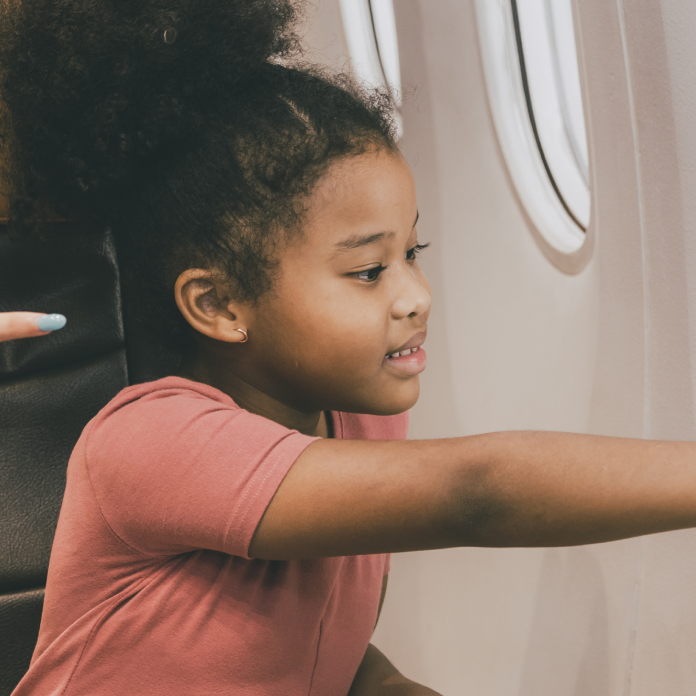
The impact of this crisis is deeply felt by individuals and families. Refugees face insecurity, with limited access to education, healthcare, and employment. Children are particularly vulnerable, as displacement disrupts schooling and exposes them to exploitation. Host countries, many of which are already under economic strain, struggle to balance compassion with capacity, leading to tensions between local populations and refugee communities.


To address this growing challenge, governments must expand resettlement programs and share responsibility more equitably. Wealthier nations have the resources to absorb more refugees and provide pathways to stability, yet commitments often fall short of global needs. NGOs and humanitarian organizations must mobilize further, strengthening advocacy, expanding services, and ensuring that displaced populations are not forgotten. Collaboration between governments, civil society, and international institutions is essential to create sustainable solutions.
The refugee crisis of 2025 is not just a statistic — it is a human story of resilience and survival. Behind every number is a family forced to flee, a child seeking safety, and a community struggling to rebuild. Addressing this crisis requires empathy, political will, and global solidarity