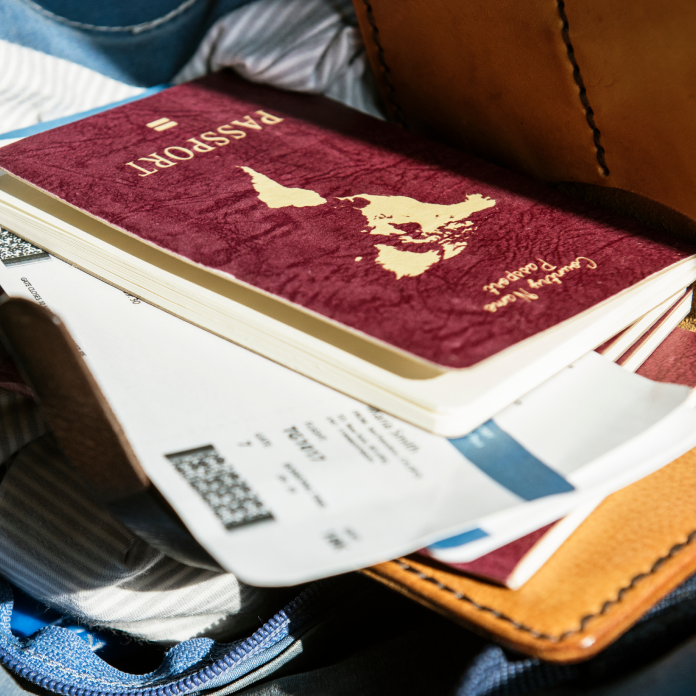
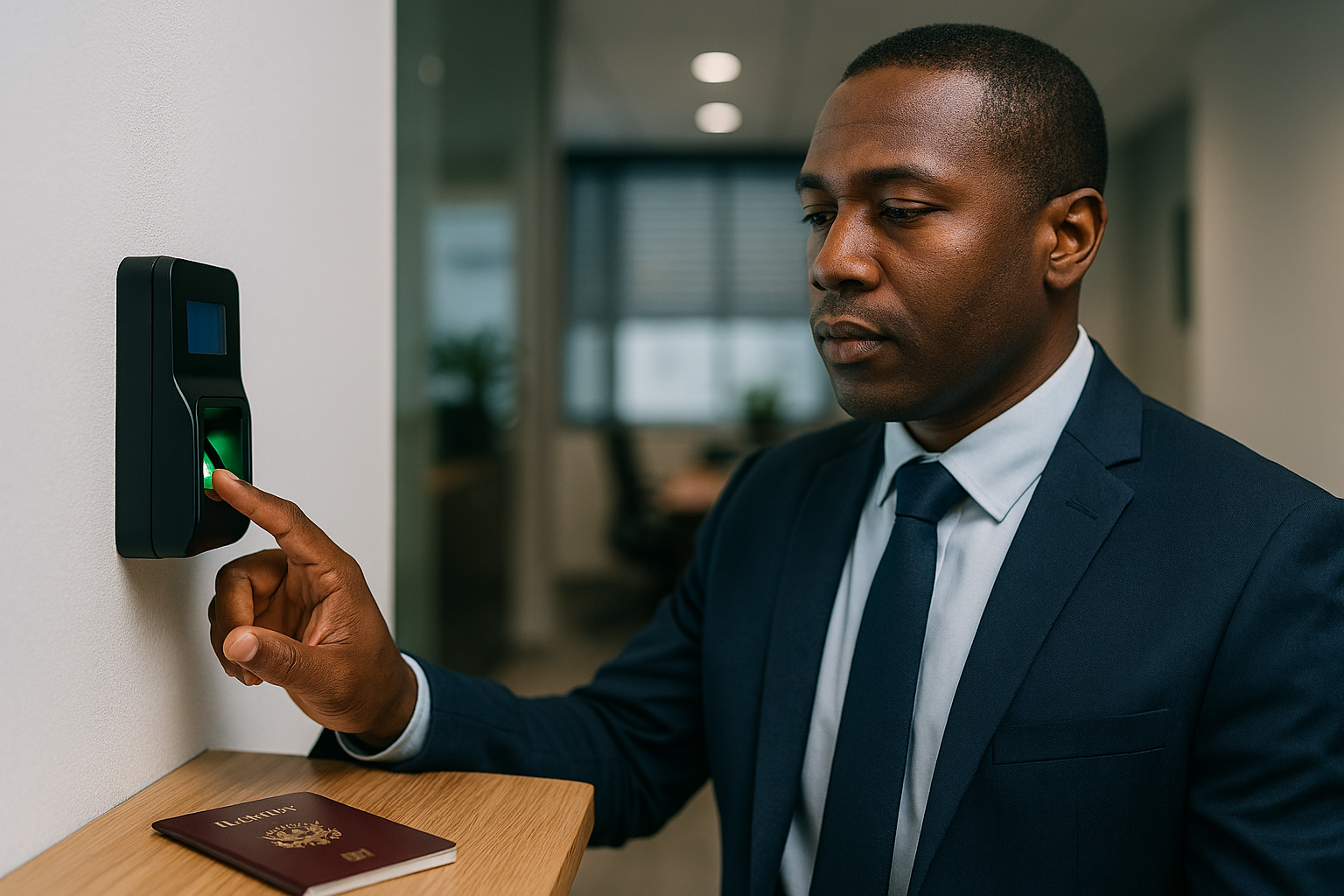

In 2026, immigration technology is undergoing a profound transformation. Across airports and border crossings worldwide, biometric systems are increasingly replacing traditional passports and paper documentation. Facial recognition, fingerprint scanning, and iris identification are now being deployed to streamline entry and exit processes, promising faster clearance and enhanced security. Governments argue that these innovations will reduce fraud and improve efficiency, but the shift raises important questions about privacy and reliability.
The pain point lies in the risks associated with biometric adoption. Privacy concerns are mounting as sensitive personal data is collected, stored, and shared across multiple agencies and jurisdictions. Technical failures — from system glitches to false matches — can cause significant disruption, leaving travelers stranded or wrongly flagged. Unlike a lost passport, biometric data cannot simply be replaced; once compromised, it exposes individuals to long‑term risks of misuse.
“Biometric systems, including facial recognition and fingerprint scanning, are increasingly replacing passports at borders in 2026, raising concerns about privacy, data misuse, and technical reliability.”
The impact of these developments is felt directly by travelers. While many enjoy faster processing times, others face anxiety about how their data is being handled. Cases of wrongful denial or delays due to system errors highlight the vulnerability of relying solely on technology. For frequent travelers, the balance between convenience and security has become a pressing concern.


To navigate this new reality, travelers must take proactive steps. Staying informed about how biometric systems operate and where data is stored is essential. Consent should be given carefully, with an understanding of the implications of sharing biometric information. Protecting personal data — through secure digital practices and awareness of rights — helps mitigate risks. Governments and technology providers, meanwhile, must ensure transparency, accountability, and robust safeguards to maintain public trust.
Biometrics are transforming borders, but they also redefine the relationship between individuals and states. As immigration technology advances, the challenge lies in balancing efficiency with privacy, ensuring that innovation serves people without compromising their rights.