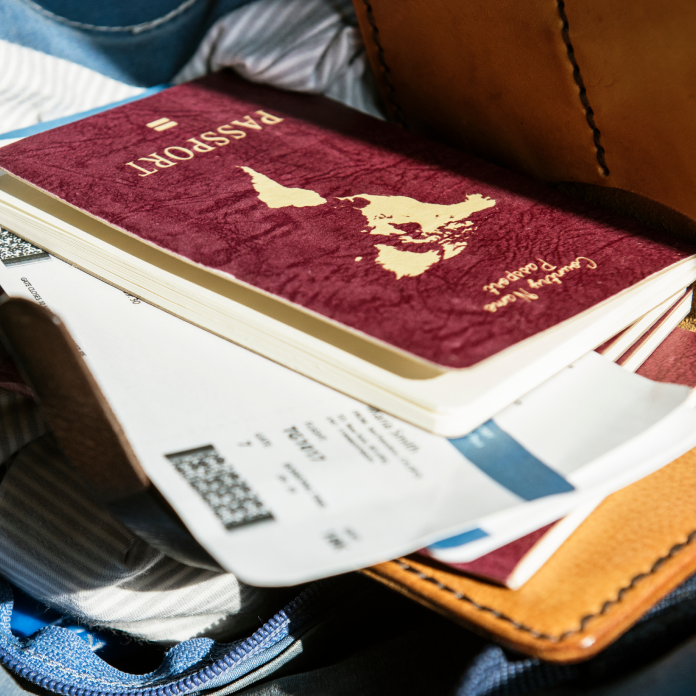


The Schengen Area has long been celebrated as one of the world’s most ambitious experiments in free movement, allowing citizens and travelers to cross borders without routine checks. Yet in 2026, this principle has been disrupted as ten EU countries reinstated border controls. While governments argue that the measures are necessary to address security concerns, migration pressures, and public order, the result has been widespread frustration for travelers and businesses alike.
The pain point is immediate: travelers now face delays and stricter controls at borders that were once seamless. Long queues, document inspections, and unpredictable wait times have become common, undermining the convenience that Schengen was designed to provide. For frequent commuters, students, and cross‑border workers, these disruptions translate into lost time, higher costs, and mounting uncertainty.
“In 2025, ten EU member states reinstated border checks within the Schengen Area, citing security and migration pressures, disrupting free movement across Europe.”
The impact of these reinstated checks is far‑reaching. Free movement, one of the EU’s core achievements, is disrupted, affecting tourism, trade, and daily life. Families traveling across borders for personal reasons encounter unexpected hurdles, while companies reliant on cross‑border logistics face delays that ripple through supply chains. The broader effect is a weakening of trust in the Schengen system, raising questions about its resilience in times of crisis.


To navigate this new reality, preparation is essential. Travelers should carry proper documentation at all times, even when crossing borders that previously required none. Planning for delays is critical, whether for business trips, family visits, or tourism. Employers and institutions must also adapt, building flexibility into schedules and logistics to account for the added uncertainty.
The reinstatement of border checks in Schengen countries reflects a broader global trend: governments are prioritizing security and compliance over convenience. While the challenges are real, those who prepare carefully and remain informed can still manage their journeys effectively.