
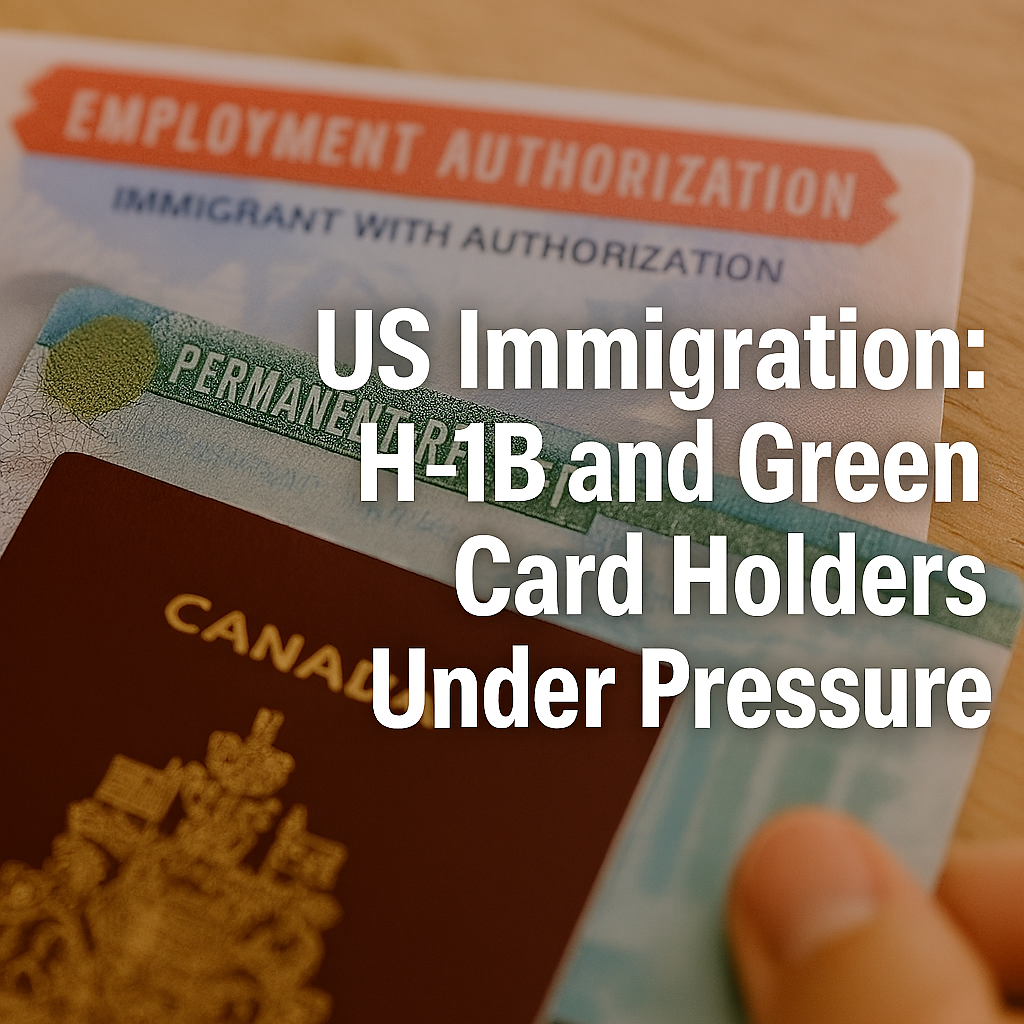

The United States continues to be one of the most sought‑after destinations for skilled professionals, students, and families. Yet in 2026, sweeping immigration changes have reshaped the landscape. While the reforms aim to strengthen national security and streamline processes, they have introduced new challenges for both applicants and employers.
One of the most significant changes is the increase in visa fees. H‑1B petitions, employment‑based green cards, and even student visas now carry higher filing costs. At the same time, U.S. Citizenship and Immigration Services (USCIS) has expanded digital vetting, including social media reviews and stricter online presence checks.
For applicants, this means more financial strain and heightened scrutiny. For employers, sponsoring foreign talent has become more expensive and administratively complex.
“The U.S. has implemented significant fee increases for H‑1B and employment‑based petitions in 2025, alongside expanded digital vetting measures. These changes are expected to increase costs and processing times for both applicants and employers.” — Fragomen 2025.”
The Impact: Delays and Uncertainty
- Skilled Workers: Applicants face longer processing times, sometimes stretching beyond a year. This uncertainty affects career planning and family stability.
- Employers: Companies struggle to retain international talent, as sponsorship costs rise and compliance requirements intensify.
- Global Mobility: The U.S. risks losing competitiveness as skilled professionals explore alternative destinations like Canada, the UK, and Australia.


Advice: Navigating the New Reality
To adapt to these changes, both individuals and businesses should:
- Prepare Applications Early: Anticipate longer timelines and submit documents well ahead of deadlines.
- Budget for Increased Costs: Factor in higher filing fees when planning relocations or sponsorships.
- Seek Expert Guidance: Partner with immigration consultants or attorneys to ensure compliance and reduce risks.
- Stay Informed: Monitor USCIS updates regularly, as policies continue to evolve.
Conclusion
The U.S. remains a land of opportunity, but immigration in 2025 demands greater preparation, financial planning, and compliance discipline. Skilled workers and employers who adapt proactively will still find success, even in this more challenging environment.